Hit enter to search or Esc to close
The radical simplicity underpinning sustainable supply chains
Director
Blog
7 min
27th February 2026
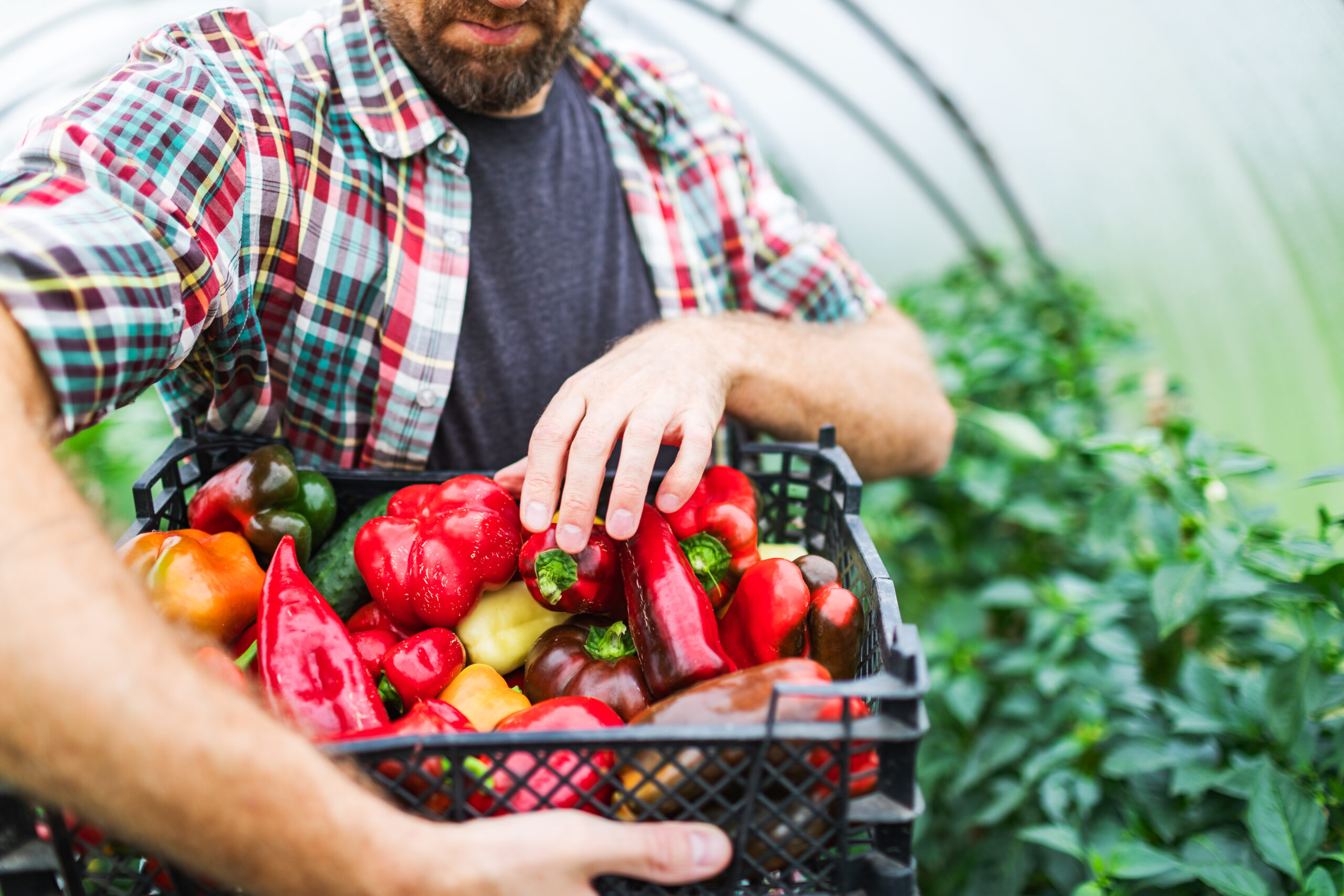
Tom Pelekanou, Director at Newton, has spent the last decade helping retailers and consumer goods businesses improve their supply chains. Right now, every conversation leads back to new innovative solutions promising revolution. But Tom believes these tools shouldn’t distract from the fundamentals.
I probably shouldn’t start an article like this, but what I’m about to say in the opening is not new.
We all want to create more sustainable supply chains – it’s the right thing to do for the world and essential for long-term business resilience. Added to that, regulation is rising, as are consumer expectations.
But gaining momentum is challenging. Supply chains are increasingly complex. Margins are under pressure. Customers care about sustainability, but often not enough to pay for it. It’s not possible for businesses to do the right thing if it risks profits.
So, movement on sustainability is a must, but how can businesses deliver it despite the complexity and without reducing profitability?
This is where my argument gets more unexpected.
Spotting an opportunity to offer a potential fix, technology vendors have developed an overwhelming number of solutions, from AI to blockchain, digital twins and real-time visibility platforms. I hear it all the time: which should we be using? These tools certainly help create sustainable supply chains, but we need to be careful not to see them as an easy fix, and match them with the right foundational thinking.
In my experience, businesses leading on sustainability are those that are set up to make decisions balancing sustainability with commercial viability. They know with certainty whether it is the right move to invest in opportunities like this:

You sell a round product in your store – let’s say a pot of yoghurt.
Your supplier identifies an opportunity to make it more sustainable by redesigning the packaging. If it was square, suddenly you can transport 25% extra product, resulting in much lower logistics emissions.
The switch seems like a no brainer, a clear win-win, because surely it’s cost effective as it lowers logistics costs too.
But there are knock on effects throughout the supply chain. The supplier has to invest in R&D, change elements of machinery, potentially rethink packaging supplier arrangements.
As the retailer, you have to adjust marketing, shelf displays and check consumer sentiment.
In the long-term, do the cheaper transportation costs outweigh the investment and make this a sustainable sustainability decision? In this case, the answer is likely yes, but there are three reasons organisations leading the charge can make this choice with confidence – and see it through. And it’s not just by plugging in the latest tech solutions.
In my experience, businesses leading on sustainability are those that are set up to make decisions balancing sustainability with commercial viability. They know with certainty whether it is the right move to invest in opportunities like this:
1. They spot the potential win-win-wins
Sustainability initiatives are not a threat to profitability, if they start from the premise that environmental outcomes and business value can be created together by design.
The real sustainability sweet spot is a win-win-win, balancing sustainable and financial concerns with doing what is right by customers. Identifying those opportunities – like how to reduce waste and energy use, or improve packaging and efficiency – requires unconstrained thinking and cross-silo, non-hierarchical collaboration. Sustainability is no longer the preserve of the sustainability team but a consideration for everyone.
A well-known example of this is crownless pineapples, visible on the shelves of Sainsbury’s since 2023. I saw the team at Albert Heijn talking recently about this at the Consumer Goods Forum Sustainable Retail Summit. They had been transporting the fruit in the same way for years before hitting on the idea that the top leaves could be removed before transportation, saving on logistics costs, lowering emissions and improving the planet’s health as the heads are mulched and ploughed back into the soil. The pineapples look different to what we’re used to but there is no other negative impact on consumers.

2. They know the true costs
Businesses building a sustainable supply chain work to understand the cost of everything – from machinery to logistics to packaging and energy. And, vitally, they can assess the implications of changes to any of these elements at any moment.
This information provides procurement, finance and supply chain teams with confidence to negotiate fairly and for the long-term with suppliers. It also highlights expensive and inefficient processes which, when addressed, can lead to savings to potentially reinvest into sustainability.
Waitrose is a source of inspiration as it drives the way forward on free range and regenerative farming. With a clear understanding of the supply chain, it can put in place long-term agreements ensuring suppliers have the support, financial security and relationship-driven incentive to focus on sustainability.
Beyond finance, what are the societal and environmental costs, and where is the greatest potential value? Is more long-term value created through packaging optimisation, or by working with the dairy farmers to support the transition to regenerative practices? Such upstream interventions build true system resilience.
3. They think beyond themselves
Solving sustainability issues across the supply chain is only possible when suppliers and retailers work together, considering:
- How can they work more closely? What are the potential sustainability opportunities? Thinking of my earlier yoghurt example, say a small but regular proportion of product doesn’t meet quality control standards for consistency but is perfectly edible. Is it time to co-develop a smoothie?
- Across the supply base, who could help make the process more sustainable? What is the role of the packaging supplier, logistics or even community charities who provide food to people in need? Is there a farmer with surplus fruit that could be added to the yoghurt smoothie?
- Are there systemic issues that need highlighting to the government, even in collaboration with competitors?
- What is the role of our end consumer? Most food waste happens at home so moving the dial on consumer behaviour is where we can potentially have the biggest sustainability impact. We can’t go into people’s homes but we can stay connected.
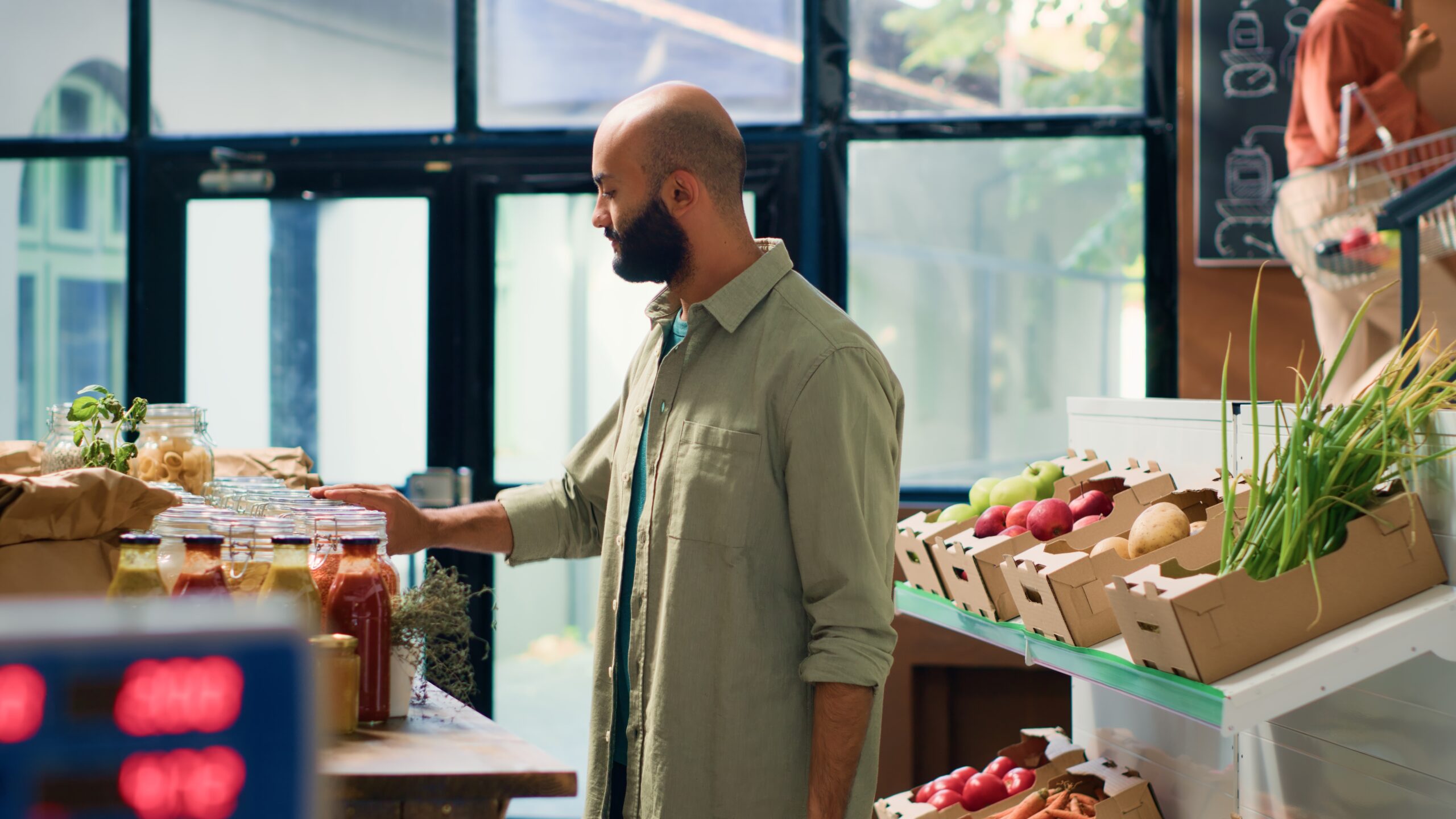
Tesco is exploring how to achieve this by, for instance, nudging customers to make more sustainable purchases in-store and sending notifications alerting them of best before dates. The decision works on our win-win-win spectrum, reducing waste, encouraging top-up purchases and encouraging customer loyalty.
Another example. Take a photo of what’s left in your fridge and Albert Heijn’’s app recommends nutritious meal recipes, reducing waste with the financial benefits of raising brand awareness.
While the moral imperative is clear, the practical reality is that progress depends on protecting profits.
While the moral imperative is clear, the practical reality is that progress depends on protecting profits. Tech and AI map costs, predict the implication of changes, forecast supply and demand and highlight inefficiencies – across financial and societal dimensions. Yes, this empowers leaders in retail and consumer businesses to confidently make the case for customer-focused, commercially smart decisions. But true sustainability relies on how this information is then applied – building an understanding of full-system value and supporting system redesign and regeneration, not just optimisation.
Really what I am saying is radical in its simplicity: know your costs, your customers and collaborate.

It seems like you're in XXXX
Would you like to visit our XXXX website?
Visit the UK site