Hit enter to search or Esc to close
A Women in Food Perspective: Our superpower leadership skills in times of crisis fatigue
Director
Blog
7 min
6th March 2026
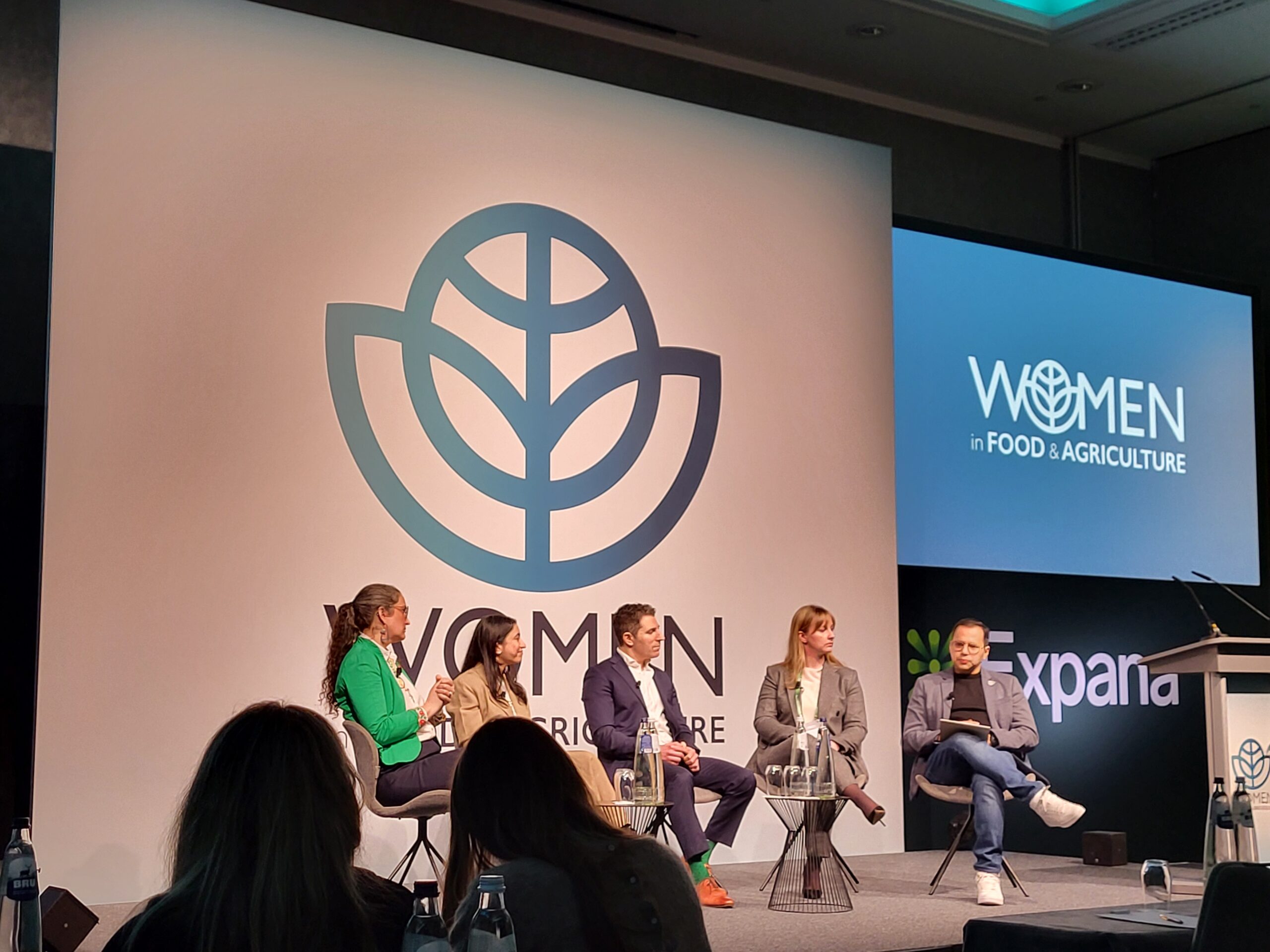
How is it possible for diverse voices to shape a strong future for the food system, while facing off today’s intense disruption? Discussion at the recent Women in Food & Agriculture Conference in Amsterdam centred on answering this fundamental question. Christina Clark, Director of Consumer Goods at Newton reveals what she took away from the day, how she’s putting those insights into action and her advice for members of the Women in Food network which she co-leads.
These Are Tough Times.
We all feel it. The traditional structures of our industry are falling to the floor around us, and at the same time we have to find new ways to perform and endure. Change and crisis fatigue is being felt across the industry. And every single woman I spoke to at the recent Women in Food & Agriculture Conference is battling to have their voice heard in this noisy, ever-changing environment.
But, ensuring that happens isn’t just a challenge, it’s an untapped opportunity. As Julie Harris, Expana CEO and the event’s host said: “A stronger food and agri system needs the right people to shape it: this room.” These times of disruption demand inclusive, understanding leadership. I wanted to share what I took from the day for anyone who couldn’t be there in person. One thing was clear: we are uniquely positioned to lead through the disruption.
Diverse voices and a focus on DE&I are needed more than ever.
From conversations I had during the conference, it was clear that everyone is facing large scale change and divestments- acquisitions and mergers are the new norm. Focusing on developing our own leadership skills and raising the voices of others during times of extreme change like these is difficult. Of course, it is. But it can be the difference between failure and success.
Hélène Kovalevsky, Head Of HR For Operations at Nestlé Global, who was on a panel titled “Is DEI worth it?”, revealed that in her experience, inviting diverse opinions to contribute ideas during change helps raise a more comprehensive set of risks to monitor. When those risks aren’t voiced, they turn into failures because as leaders we can’t take their insight and action it. There is not only a cost benefit to diversity and inclusion, but clear risks associated with not focusing on it.
“Gender equality requires both men and women to play their part so I was very happy to be in the room, learning about barriers that are invisible to me. It made me even more determined to work with our clients to consciously surface the ideas of people from all backgrounds and ways of thinking – truly listening.”
Harmen Van Os, Consumer Goods Partner Newton
So, how as leaders can we navigate M&As and restructures, raise profitability and consumer satisfaction, and achieve benefits from AI – while building a team that is motivated, committed and confident to be vocal?
The best leaders accept that there is uncertainty right now. Rather than trying to provide complete (and unrealistic) clarity, they focus on listening and actively creating space for diverse voices. To really get a view of what’s happening in your business and what to do about it, here’s what I advise- based on insights from the day and my experience of making sure transformational programmes land successfully in complex consumer goods businesses.
Viciously prioritise.
To prevent decision paralysis, use data to identify what is going to have the greatest impact on your most important objective – whether that is increasing revenue, cash or reducing costs. Establish the levers you can pull that will have the largest consequence.
Check governance structures and data flow.
Once it is clear where you can have the largest impact and you have trialled solutions and monitored the leading and lagging KPIs with the right stakeholders, ensure you are able to monitor success, pivot quickly during failures and that everyone is working towards a single, common goal. Formal structures are important but equally so are psychologically safe communication forums where you can uncover ideas from understandably reticent people by enabling anonymous or collective team feedback.
Listen to your people and create a vision.
They are feeling it. They are fatigued. To avoid anxiety and loss of morale, work out across every vertical and horizontal in your organisation, from your manufacturing shop floor to middle management to the executive team: what are they thinking and feeling right now, where do they need to get to and what vision will motivate them to drive your business forward?
Turn diverse insights into impact.
Set up communications channels and engagement initiatives that will move the dial in the right direction. Measure with regular surveys, monitor, adapt and keep asking. A key point discussed across the day was the need to assess the process rather than the outcome, for example, asking non-leading questions like ‘Are there forums to raise ideas?’ rather than ‘Do you feel listened to?’. Fatma Tek, Pladis’s Global Innovation Director talked about the value of focusing on people, generously sharing time and clarity of purpose.
Examples at the conference of female food and agri leaders excelling in these times.
C-Suite executive, Belinda May Ball, Managing Director Global Sourcing at Aldi SUD admits she started her career replicating the classic male leaders around her – a choice I can relate to having worked in a heavy operational environment. Today, Belinda knows her values so she can lead authentically and has set up SHELeads within Aldi to create a safer and inclusive space, professional growth, mentorship and wellbeing. She advises other women in her position to honestly ask: “What am I really capable of?” because:
- You are more capable than you think. She has been most questioned and most successful when taking a risk.
- Your views and skills are unique. We should each be confident in and clear about the value only we can bring.
Intelligence, emotional intelligence, social intelligence and adaptability (IQ, EQ, SQ and AQ) are the four elements that make an effective leader in today’s environment, according to Linda Reddy, Group Head Of Supply Chain at Nando’s. She has two key recommendations to foster that skillset:
- “Be deliberate” in how you understand your system, build your influence and lead with strength.
- Spot and challenge your self-limiting beliefs. The more self awareness you have, the easier it is to navigate challenges.
Often, there are disconnects from leadership downwards, within teams and across the business: people going through the same experience can be experiencing it very differently. But if as leaders we really listen, people will be confident in our genuine conviction, diverse voices will get louder, change will be more effective and we will create the stable, agile food and agri system the world needs.
If your consumer goods business is transforming or struggling with the pace of change, get in touch with Christina about how to achieve what’s next at the same time as amplifying the diverse voices in your workforce.

It seems like you're in XXXX
Would you like to visit our XXXX website?
Visit the UK site