Hit enter to search or Esc to close
Helping people stay well at home: strengthening local services through home-based support
Business Manger, Newton
Blog
5 min
13th March 2026
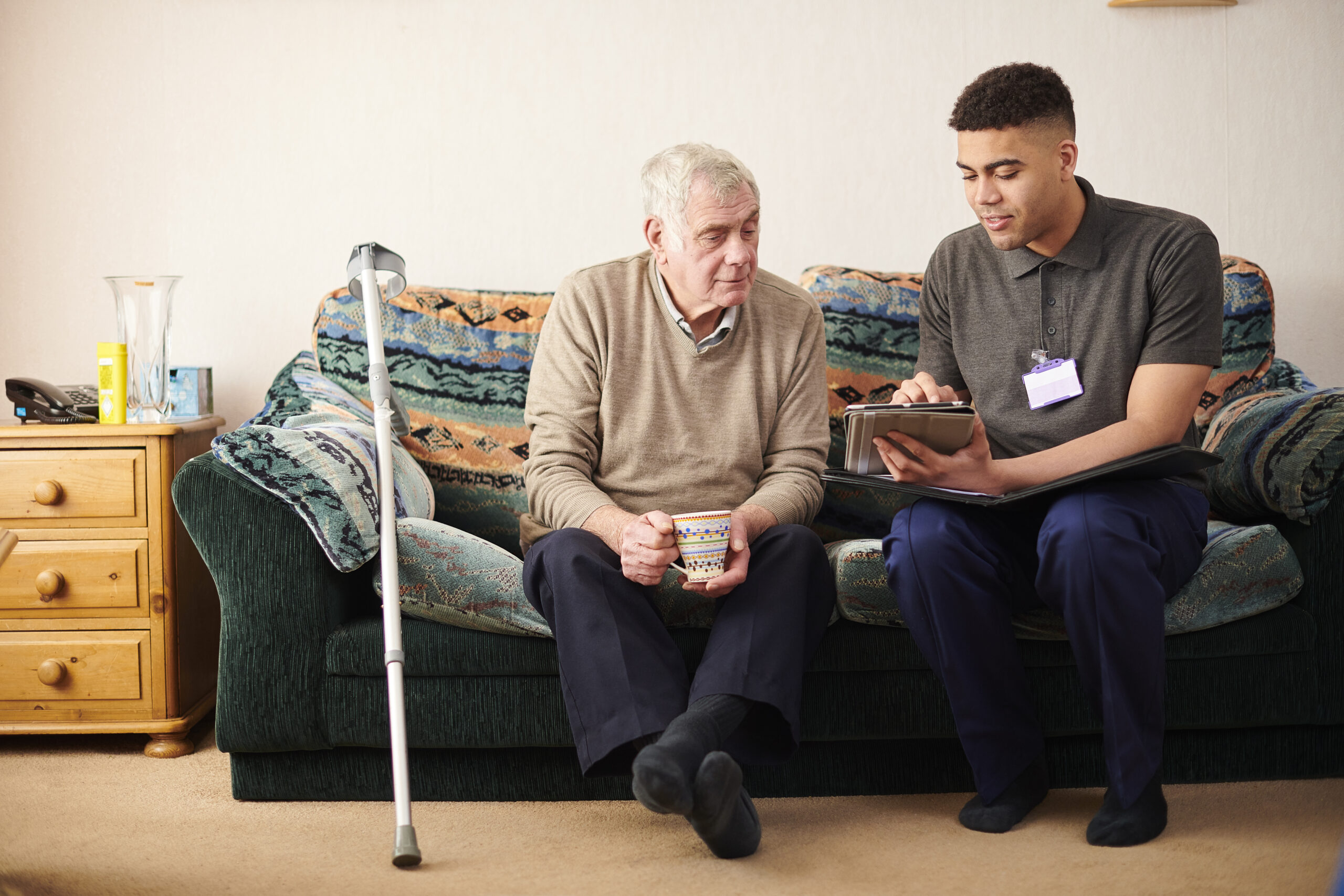
Across England, local health and care teams are working hard to help people stay well at home and avoid unnecessary hospital stays. Last year, Newton and the national Better Care Fund brought together leaders from 18 different systems across health and social care to learn from one another and strengthen a type of short term support called homebased intermediate care.
This support focuses on helping people recover at home after an illness or injury or avoid going into hospital in the first place. It might involve rehabilitation, practical help around the home, or short bursts of intensive support. Ultimately, the goal is simple: help people regain confidence and independence in the place they tend to feel most comfortable – their own home.
Why this matters
We know from national evidence that people generally recover better when they can stay at home. They return to health more quickly, are less likely to need long term care, and avoid the disruption of unnecessary hospital time. This approach also helps free up hospital beds for those who need them most.
We’ve seen the difference this kind of work can make in places like Leeds, where Newton worked directly with the Health & Care Partnership to redesign how intermediate care operates, resulting in 169 more people each year returning home rather than moving into long‑term beds, an 8.2day reduction in short term bed stays, and 421 more people going straight home from hospital.
Every winter, the NHS experiences a sharp increase in demand; more people need urgent care, hospitals become busier, and local services come under significant pressure. This initiative was designed to help local health and care systems strengthen their support at home so they could manage these winter pressures more effectively.
Where we started
Over four sessions, teams from across the country explored what “good” looks like in homebased intermediate care. Together, they:
- Clarified the most important problems for them to solve locally
- Agreed the measures that matter for them and their residents
- Built practical, locally-specific plans focused on making meaningful improvements before winter
- Committed to delivering at least one real, tangible change that would benefit local people quickly
What changed on the ground
Despite different local challenges, many areas focused on similar improvements. These included:

Optimising existing services
Ensuring maximum impact of the staff already in place, fixing inefficiencies within scheduling, setting up better multi-disciplinary team practices, changing how teams worked together to better support residents.

Setting up new services
Including a new overnight support at home service, merging two intermediate care providers, bringing online new Pathway 1 capacity, and creating a new social work team to focus on intermediate care flow.
Embedding improved data visibility
A common theme of discussion in every session was the critical need for a single, shared view of the data within intermediate care – to enable operational decision making, performance accountability, commissioning decisions, and identify opportunities for improvement. Multiple systems were focused on step changing the data visibility they had available to them to monitor intermediate care performance
What we heard from local teams
When the group came back together after implementing the changes over winter, several themes emerged:
- Demand is rising, and needs are becoming more complex
Many areas saw more people needing help, often with more complicated health or social needs, including mental health challenges. This increased the pressure on local teams.
- Some groups fall between the gaps
For example, people who cannot put weight on their legs (e.g., after a fracture or surgery) often don’t fit neatly into existing pathways. This can delay discharge from hospital. Areas highlighted the need for more flexible support that adapts as people recover.
- Sharing information makes everything work better
Where teams used shared digital referral systems or had a single view of demand, people moved through services more quickly and with fewer delays. It meant everyone was working from the same, up to date information.
- Voluntary organisations are essential partners
Groups like Age UK and the British Red Cross played crucial roles; checking in on people at home, helping prepare living spaces, and supporting those with lower level needs. Their involvement prevented hospital admissions and helped people return home safely.
We’re hearing the same pressures across the country; rising demand, more complex cases, and groups of people who simply don’t fit neatly into the pathways available. What really stood out this winter is how often those gaps create delays unless services have shared visibility and partners can act together, and that absolutely matches what we’ve seen in the systems we’ve worked in.
Where do we go from here?
Looking ahead, three priorities for local health and care partners stood out:
Create a fully joined up intermediate care system
Rather than being constrained by organisational boundaries, people should receive support based on their rehabilitation goals, with services that flex as their needs change. Shared digital tools and jointly developed ways of working will be vital.
Grow homefirst support in a sustainable way
Supporting people at home works best when teams have the right capacity, rehabilitation staff, equipment, voluntary sector partners, and a well designed workforce model.
Give local areas space to innovate
Systems need time and support to design, test, and fund new models of intermediate care. A national framework can help, but local flexibility is key.
What this initiative showed us
Bringing people together created the space for honest conversations about what was and wasn’t working. Real world experience shared across the group helped uncover practical solutions around referrals, handovers, visibility of caseloads, and partnerships with the voluntary sector. These insights now form a valuable resource for anyone looking to strengthen support that helps people stay well at home.
It has also been interesting to see similar themes reflected nationally. In her recent speech at the Nuffield Trust Summit, Baroness Casey spoke about the challenges created by a system that can feel “creaking, inconsistent and impenetrable,” and how people often find themselves navigating gaps between services. She highlighted rising demand, greater complexity, and the divide between health and social care; issues that echo many of the reflections shared through our Community of Practice. Her comments suggest a growing recognition of the need for more connected, person centred approaches across the country.
Thank you to everyone who contributed to this shared effort.
If you would like access to the resources created from this Community of Practice, please reach out to me.
Edmund Barry, Business Manager at Newton.

It seems like you're in XXXX
Would you like to visit our XXXX website?
Visit the US site