Hit enter to search or Esc to close
The Availability Model: GLP-1s, consumer change and growth challenge
Director
Blog
7 min
9th December 2025
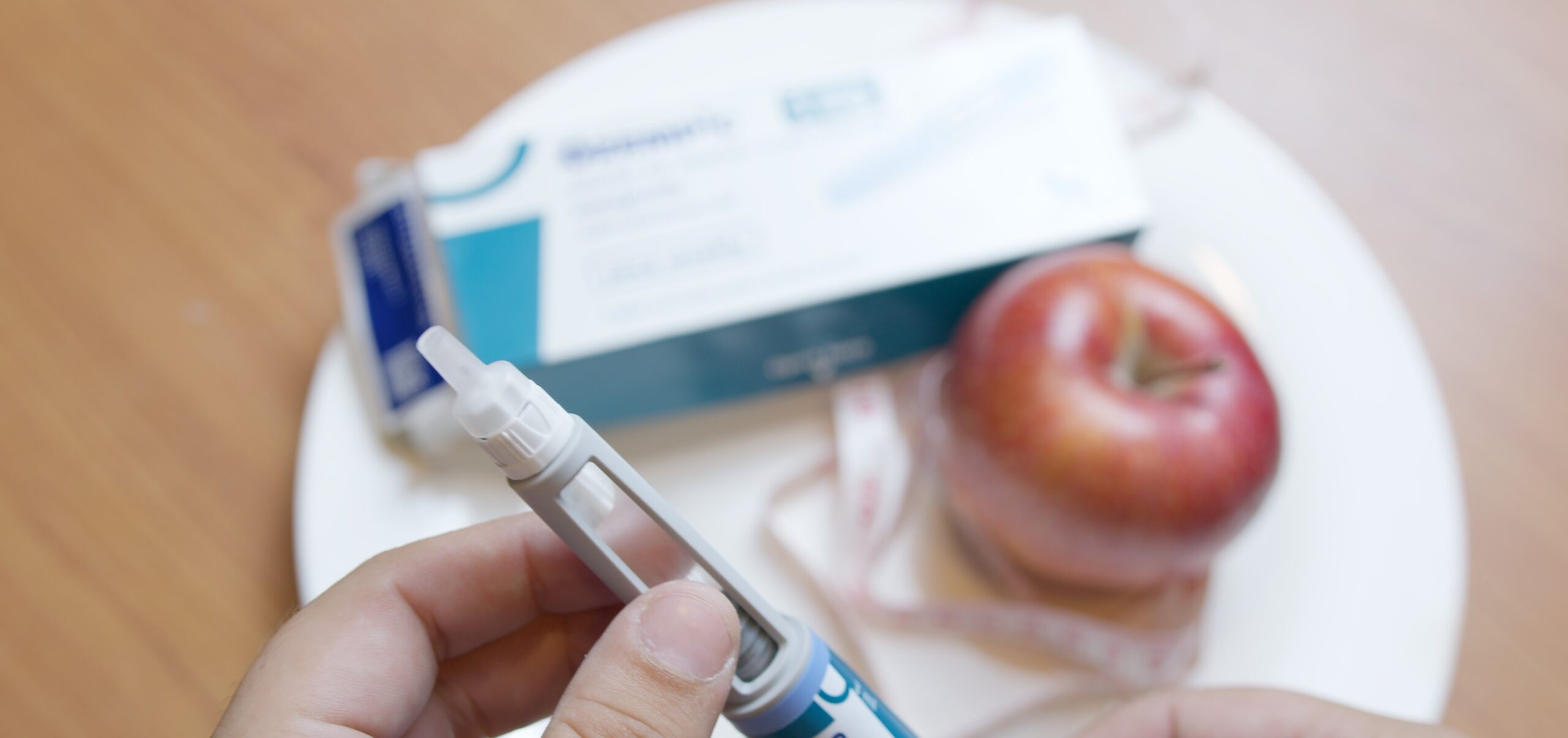
This is not a drill: GLP-1 weight loss drugs are already changing the consumer world, so how do organisations keep up with the pace of change?
David Heywood, Director at Newton, leads large‑scale business transformation and operational improvement across multinational Consumer Goods and Retail organisations. Here, he jumps into action to outline practical steps companies can take to address the shifts we’re seeing today – and be ready for what’s next.
The boom in GLP-1s use for weight loss – and increasingly, other applications – poses important questions economically, socially and medically. Working side-by-side with leading global retailers, I’ve seen first-hand and in customer and retail data, the impact Ozempic and the like are having on the consumer industry. These trends evolve as we project forward – changing size buying ratios for clothes and encouraging healthier food choices, both in terms of volume but also nutritionally.
The use of novel drugs for metabolic conditioning is one of those universally relevant social issues – a regular topic of conversation with my scientist wife and our friends and family (spread across the USA and UK) who are using it, or considering doing so. From a personal perspective, as a health conscious consumer who has been fighting a brain tumour for the last few years, I cannot help but be fascinated by the science behind the drugs, as well as the idea that a corner can seemingly be turned overnight on a medical issue as complex and prevalent as metabolic disease and obesity. So, as I have seen the use of GLP-1s gain traction, I wanted to delve further into the topic, as well as what this fascinating scientific and cultural shift practically means for retail and how to deliver the changes – because this is Newton after all.
The reality behind the hype
GLP-1 weight loss drugs mimic the natural GLP-1 hormone in humans, slowing digestion and signaling a feeling of fullness to the brain. There are GLP-1 receptors in the area of the brain that regulates hunger, but they are also present in the dopamine reward system. This means that as well as reducing the amount of food people are eating, the drugs also steer them clear of seeking out the dopamine hit often associated with junk food. As The New York Times puts it:
“It seems that GLP-1s, by regulating the release of dopamine, may make the flavor profiles of ultraprocessed products, many of which have been optimized to stimulate the brain’s reward system, less appealing.”
The New York Times
It would seem, there is a compound reason for why the drug is proving so successful for so many users – simultaneously suppressing appetite and promoting healthier choices.
The world is changing as a result. BMI and obesity prevalence in the US decreased in 2023 for the first time in more than a decade. The United Kingdom, Scandinavian countries, Australia and New Zealand could follow suit, experiencing a combination of plateauing adult obesity rates and falling levels of childhood obesity. Perhaps this is the start of the reversing of the spread of obesity through social networks – the knock on behavioural effects of increased understanding around food.
Let’s not forget as well that GLP-1 drugs are new and there is still a lot to learn about them. They could help with other conditions. Uptake may grow as further research increases effectiveness and the drugs become more convenient, with wider availability in supermarkets and in other delivery methods beyond injections.
If you’d like to dive more into the current situation, our team at Magnetic recently looked at the impact of GLP-1s on the health and food industries. The winners and losers in the new world of weight-loss drugs is the first issue in their new series, Upgrading Humanity, helping visionary healthcare leaders design and innovate for people’s needs, now and in future.

Staying ahead of change
What does all this mean for the retail industry? People could spend less. For households with at least one member using GLP-1, spend is down 5.5%. At the same time, due to impacts of the drugs on food preferences, we are seeing an increase in demand for healthier foods – especially fruit and high fibre vegetables like leafy greens. High protein foods like chicken and fish could also be about to have a moment. The significant link between them all for grocery retailers? A limited shelf life and the associated increased supply chain complexity.

GLP-1s reduce the average shelf life of the consumer’s basket.
Shorter shelf lives are harder to manage. Here’s how I think about it. With my retail efficiency hat on, the smaller the range and the longer the shelf life the better, but even the discounters stock several thousand products all degrading at different paces. To add to the fun, we also have limited shelf space so some products need replenishing during the day.
This is an issue that needs attention.
Managing short shelf life products is already a constant challenge, and with these changing consumer habits, shelf lives are only going to get shorter. Newton has a proprietary approach powered by our Sherlock AI tool that can forensically quantify the scale of the risk and opportunity GLP-1s pose. Without mitigating action, for every day that an average grocery basket’s shelf life is reduced, the retailer will experience a 4-6% increase in stockouts and a 11-15% increase in waste. Precisely because GLP-1 use encourages healthier eating habits, in particular eating more fresh and less processed foods, retailers need tighter management of supply chains and availability and waste.
This is something retailers grapple with today but it’s going to get worse. So, what to do?
For a product with long shelf life, you would undoubtedly target a very high availability. But if a product has a short shelf life, the issue becomes more complex due to the increased likelihood of it going to waste and driving a knock-on impact on profitability, sustainability and loss of freshness impacting quality. Add all of that to a 35-step supply chain that many people interact with, plus fluctuations in demand for any given item, and there is a precise science to achieving the optimum waste and availability trade off of products for customers and so deliver optimum profit for a given range.
End-to-end availability for the new world
For every product, how do you calculate the ultimate trade off between waste and availability, to give better outcomes for both businesses and consumers? We approach it with a combination of data analysis and an end-to-end vision:
Understand customers to define the optimum balance
Calculate the optimum profit for every line when trading off availability and waste.
Work out how to close the gaps
Root cause the gap to optimum performance. Pinpoint the drivers to define the best actions e.g. whether demand forecasting, supply chain timing or in‑store.
Take prioritised action, end‑to‑end
With these insights, take action to improve both availability and waste outcomes, delivering better results for companies and consumers.
Embed through people, change and culture programmes
Success depends on changing behaviours and ownership – equipping teams and shifting culture so improvements stick.
Repeat
Repeat as the market changes, staying ahead of trends and doing the best by current and potential customers.

The answer to unlocking even the gnarliest of supply chains is usually locked in the customer and product data grocery retailers already have at their fingertips.
Using data science to understand this can provide a live view of how to best drive profit and highlight opportunities that exist outside of trade offs. But even this can only take you so far – point four on the model is crucial – landing the opportunity is often as complex as identifying it.
A similarly detailed approach is required in clothing, as habits change the general merchandise landscape. In particular, size ratios are shifting, as sales of larger sizes are falling while small sizes increase. If people are feeling more confident and buying more clothes, as the data suggests, it becomes harder as a merchandiser or retailer to know what products consumers want and in what proportions. For more on this topic, keep an eye out for a piece from my colleague, Imogen Hardcastle-Kidd, in the New Year.
One knock-on result is that returns are rising with Newton data showing poor management of this stock can mean taking the equivalent of a 6% markdown on all sales. When it’s increasingly vital, how do you maximise profits through picking the right clothes in the right sizes at the right time and place, within such complexity and change? The answer lies in true customer and context understanding matched with collecting, using and learning from quality data, making real-time AI-driven decisions and so being flexible in what is offered to customers. It’s not easy but it is necessary.
A wider direction of travel
I want to caveat that the GLP-1 trend is in the early days, with its long-term effects still yet to be fully understood, especially globally. Much of what I say today is based on the boom in the US. But, even if you question whether obesity levels will continue to fall, if we look at broader trends, healthier eating is coming. Consumers are becoming evermore aware of how they fuel their bodies – from understanding the impact of ultra processed food and alcohol to an interest in functional food – prebiotics, protein and supplements. The tide is turning, and action is required: there are inevitable profit implications to people changing their habits. End-to-end availability and better demand planning become even more important to sharpen up.
At its core, my advice is about building resilience to navigate the ever-shifting landscape of consumer behaviour – whether that is adapting to GLP-1, increasing fibre intake or something we simply cannot anticipate today. In the end, the story is not about weight loss but having the foundations in place to pivot around behaviourial changes and trends to delight customers and grow your business.

It seems like you're in XXXX
Would you like to visit our XXXX website?
Visit the US site