Hit enter to search or Esc to close
Who will be first in the race to deliver profitable same-day grocery?
Director
Blog
7 min
27th January 2026
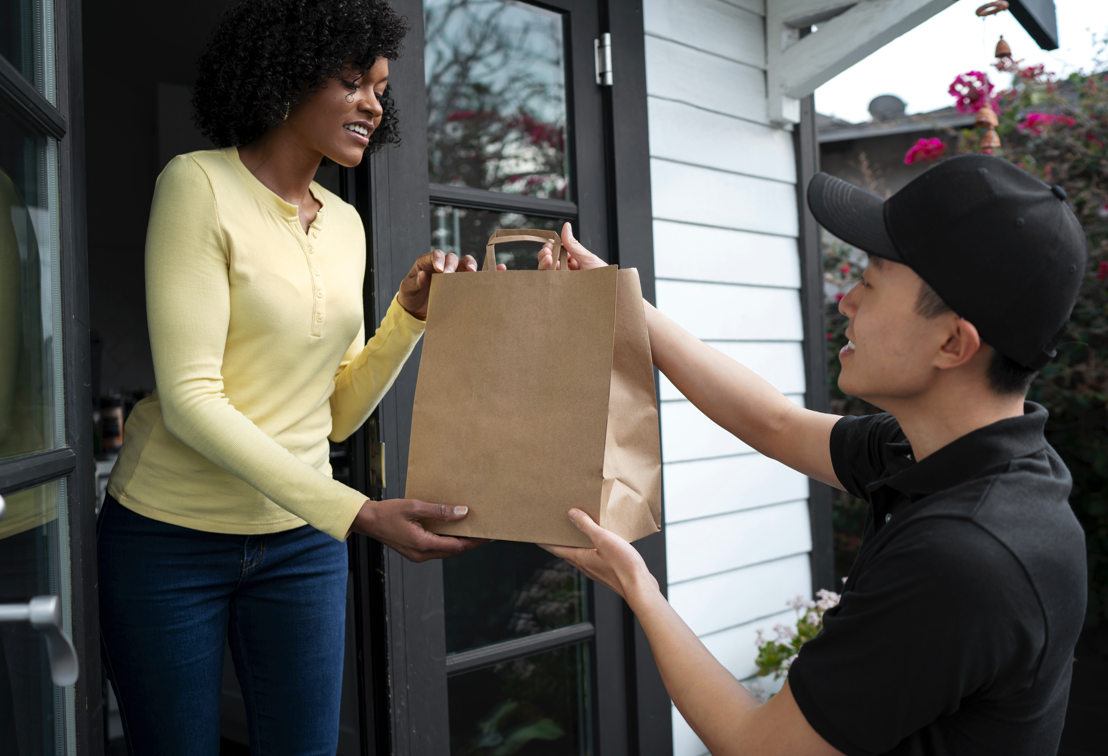
As even the youngest millennials turn 30 this year, demand is rising for same day grocery delivery as this digital savvy, convenience hungry generation becomes the all-important family shopper. Which retailers will successfully cash in?
Jasmin Swift, Director at Newton explains what could be next for the Tescos, Sainsbury’s, Morrisons and Waitrose of this world based on the current situation here and signals from our clients in the US.
US leads the way
The US is experiencing pacy year-on-year online sales growth – up 29% between November 2024 and 2025 (1). It’s consistent as well, having risen for 15 consecutive months (2). The total value of growth has increased too (3), which is interesting as these rises aren’t driven by new shoppers but the same set of consumers ordering small amounts more frequently. This is thanks largely to the increasing number of ship-to-home, same and next day delivery options being offered by companies like Deliveroo and Task Rabbit.
Another major catalyst has been Amazon and Walmart showing what’s possible, offering a much wider selection of products and delivering them reliably.
“With the vastness of the US, outsourcing delivery is the norm. But the key to success is real-time inventory systems accurately confirming product availability. Delivery is then achieved in minutes with their provider of choice.”
Tony Ward, Senior Partner of Retail & Consumer Goods in North America Newton
UK close behind
Currently the highest spenders per shop in the UK are Gen X. But convenience-driven millennials, who have been using apps for small shops, are now moving into family shop mode. They are the main household shoppers, and the expectation is to receive items on that same day. Similar to the US, that digital maturity is proving a gamechanger as through new online formats, there is huge opportunity to serve the largest and most competitive shopper mission: the weekly shop.
Retailers are fast responding to the expected demand and opportunity. Waitrose is servicing on-demand grocery through third-party partnerships with Deliveroo, Just Eat and Uber Eats. Asda is competing by providing online delivery slots which can be booked by midday for delivery that afternoon. Tesco, Sainsbury’s and Morrisons are partnering with courier and delivery services to support delivery within the hour. Tesco’s Whoosh offering is growing so fast that the supermarket is expanding the offering to more shops and unlocking full basket shops, whilst most retailers are still limiting orders to 30 items.
Is the same day possible?
The commercial reality is that rising demand alone doesn’t guarantee profitability. And let’s not forget that alongside the clear set up expense, there is the associated challenge of cannibalising in-store spend. The central question then is how do retailers scale capacity fast enough – without locking in unprofitable growth? Tony says it’s proving challenging in the US: “Most retailers are using third-party service providers as internal changes have proven cost prohibitive. Even so, only a handful of retailers are supposedly breaking even. Several retailers are exiting trials because they can see they will never reach profitability.”
“The race may be on, but most grocers haven’t cracked the code to same day: they’re just trying to not lose too much today.”
Tony Ward, Senior Partner of Retail & Consumer Goods North America Newton
Unlocking the challenge
From our work in the industry, I believe the answer lies in re-applying the retail fundamentals in a digital context – balancing what is logistically possible with customer understanding on price, quality, range and service, then testing in small areas, adapting and going again.
Price and quality
How will products appear on your app? Can packaging be designed for both digital visibility and picking, packing and delivery resilience? How can you balance innovation considerations around taste and excitement with issues like shelf-life?
Range
Bearing in mind picking complexity and cost-to-serve, can you realistically offer the full in-store range online? What is your shoppers’ substitution tolerance? What are reactions to minimum basket thresholds and reduced promotions online?
Service
This is where things get more complicated and costly. If retailers set up new logistics operations, are customers willing to cover those additional delivery costs? Two-third of millennials say they are willing to pay more for faster delivery, but are they really? And will families, couples and singles all increasingly pay for delivery across weekly shops and top-ups?
So, is the only potentially profitable approach to partner with third-party apps? That has cost implications too but also a real risk of an inconsistent omnichannel brand experience when another company is interacting with your customers not only online but also right down to arriving at the customer’s house in their branded vehicles and jackets.
Who will win?
Tesco may be in front right now and, as Amazon and Walmart have made the model work in the US, there is a high chance that it can be replicated it in the UK. But, I believe, the next phase of online grocery won’t be won by those who go fastest but those who scale smartest and most profitably, with clarity on the shopper missions they will win on.
*(4) – Socially Powerful

It seems like you're in XXXX
Would you like to visit our XXXX website?
Visit the US site